
strength training for longevity: building a body that lasts after 40 in south carolina
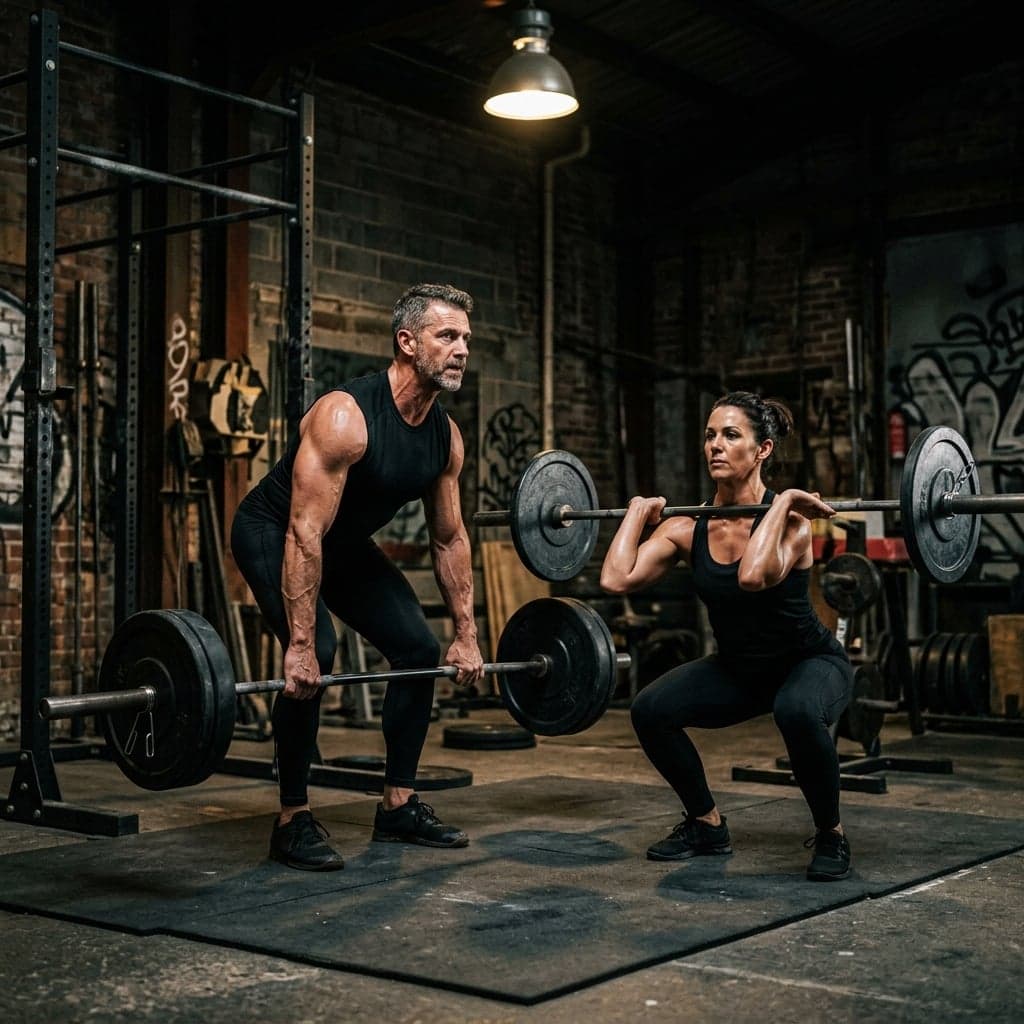
Somewhere around age 40, the goal quietly changes for most of my clients. They still want to look good, but what they are really asking me for — even if they don't use the word — is longevity. They want to still be deadlifting, hiking, chasing grandkids, and getting off the floor without using their hands when they're 70. As a NASM-certified personal trainer in Charleston, South Carolina, I have watched this shift happen firsthand: the fastest-growing client goal I see in 2026 is not a six-pack, it's healthspan — the number of years you get to live strong, mobile, and independent, not just the number of years you're alive. This guide breaks down exactly how I program strength training for longevity with clients over 40 across Charleston, Mount Pleasant, Summerville, and online throughout South Carolina.
Why Muscle Is the Organ of Longevity
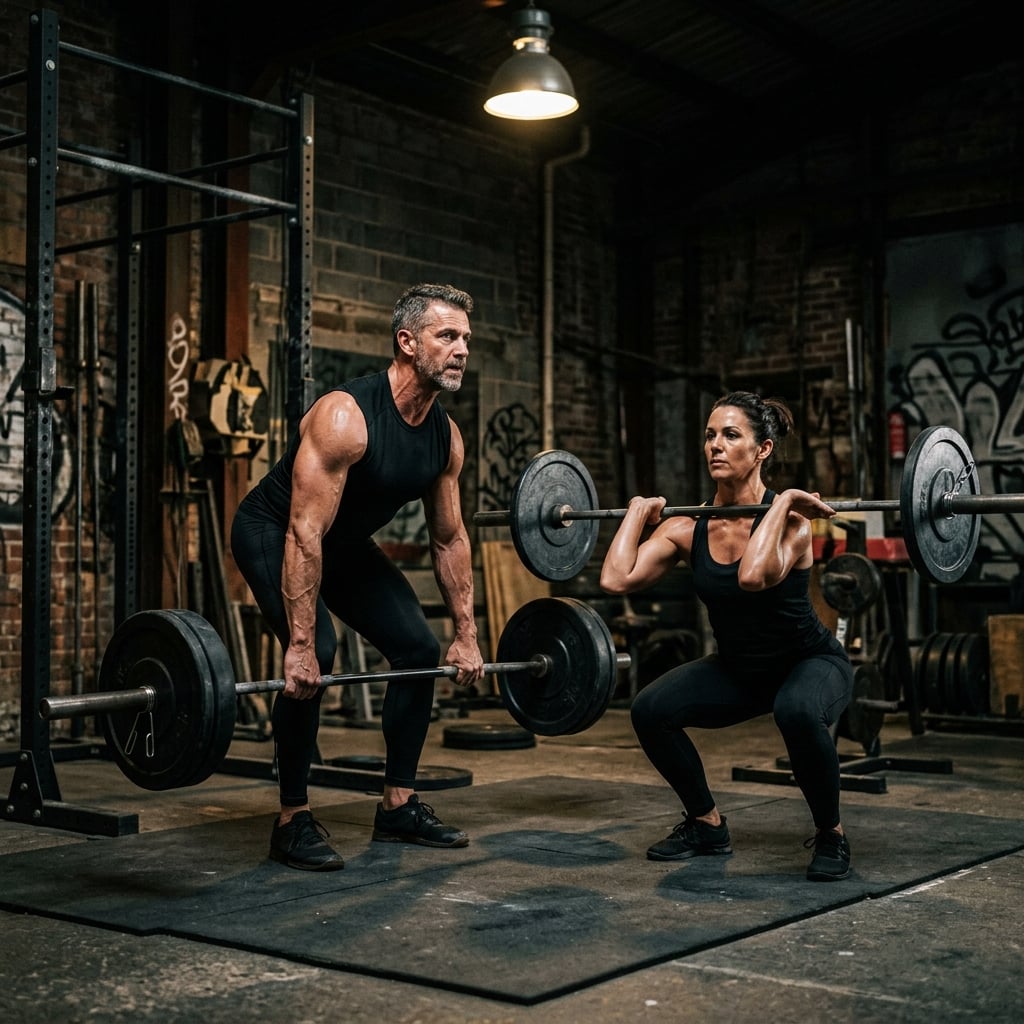
Muscle tissue does far more than help you lift heavy things. It is your body's largest glucose reservoir, a major driver of resting metabolic rate, and — according to a large and growing body of research — one of the strongest predictors of how long you live and how well you live. Multiple large cohort studies have linked grip strength, a simple proxy for overall muscle quality, to lower risk of all-cause mortality, cardiovascular disease, and cognitive decline, independent of cardiovascular fitness alone.
Here is the part most people don't realize until it's already happening: after roughly age 30, adults who do not strength train lose approximately 3-8% of their muscle mass per decade, a process called sarcopenia. That rate accelerates after 60. This is not a slow, harmless decline — it is directly linked to falls, fractures, loss of independence, and a shorter healthspan. The encouraging news is that sarcopenia is one of the most preventable and even reversible conditions in medicine, and the tool that prevents and reverses it is resistance training, not medication.
"Cardio keeps your heart healthy. Strength training keeps you a person who can still get off the floor, carry your own groceries, and live independently at 80. After 40, I stop programming for how clients look in a mirror and start programming for how they'll move in twenty years." — Kyle Belk, NASM-CPT
The Four Pillars of Longevity Training
Every longevity-focused program I build for clients over 40 rests on four pillars. Miss one, and you leave a major piece of healthspan on the table — even if the other three are dialed in.
- Progressive resistance training — the foundation for preserving muscle, bone density, and functional strength
- Zone 2 cardiovascular training + VO2 max intervals — the strongest predictors of cardiovascular longevity and disease-free lifespan
- Bone density and load-bearing work — critical for preventing osteoporosis and fracture risk, especially in women post-menopause
- Mobility and joint health — the connective tissue that lets you keep doing pillars 1-3 injury-free for decades
Pillar 1: Strength Training by Decade
The biggest mistake I see people over 40 make is either stopping resistance training entirely ("I'll just do cardio and stretch") or training exactly the way they did at 25, which increases injury risk without accounting for changes in recovery capacity and joint resilience. The right approach is neither — it's progressive overload with smarter exercise selection and recovery management.
| Decade | Training Frequency | Primary Focus | Key Consideration |
|---|---|---|---|
| 30s | 3-4x/week | Build strength reserve, compound lifts | Prevention window — build the muscle bank you'll draw from later |
| 40s | 3-4x/week | Maintain strength, add unilateral work | Watch recovery; joints need more warm-up volume |
| 50s | 3x/week | Bone density, power output | Add explosive/power movements at low load — power declines faster than strength |
| 60s+ | 2-3x/week | Functional strength, fall prevention | Balance training and grip strength become priorities |
Regardless of decade, the exercises that matter most are the big compound lifts — squats, deadlifts, presses, rows — performed with full range of motion. These movements recruit the most muscle mass, build the most bone density, and translate most directly to real-world function. For a full breakdown of exercise selection, see our best exercises guide and our beginner muscle building plan if you're just getting back into training.
Pillar 2: Cardiovascular Training for a Longer Life

VO2 max — your body's maximum capacity to use oxygen — is one of the most powerful predictors of longevity ever studied, with research showing that individuals in the lowest fitness percentiles have dramatically higher mortality risk than those in the top percentiles. The good news: VO2 max is highly trainable at any age. My longevity clients combine two types of cardio:
- Zone 2 cardio (3-4x/week, 30-45 min): Low-intensity, conversational-pace cardio — walking, cycling, or the incline treadmill — that builds mitochondrial density and aerobic base without adding recovery stress that interferes with strength training. Our walking guide covers exactly how to structure this.
- VO2 max intervals (1x/week): Short, hard efforts (4x4-minute intervals at high effort with equal rest) that directly improve your maximum oxygen uptake capacity — the single metric most strongly correlated with all-cause mortality risk reduction in longevity research.
Pillar 3: Bone Density and Load-Bearing Training
Bone density peaks around age 30 and gradually declines afterward, with the decline accelerating sharply for women in the years following menopause due to dropping estrogen levels. Osteoporosis and fragility fractures are one of the leading causes of lost independence in older adults — and one of the most preventable, through mechanical loading.
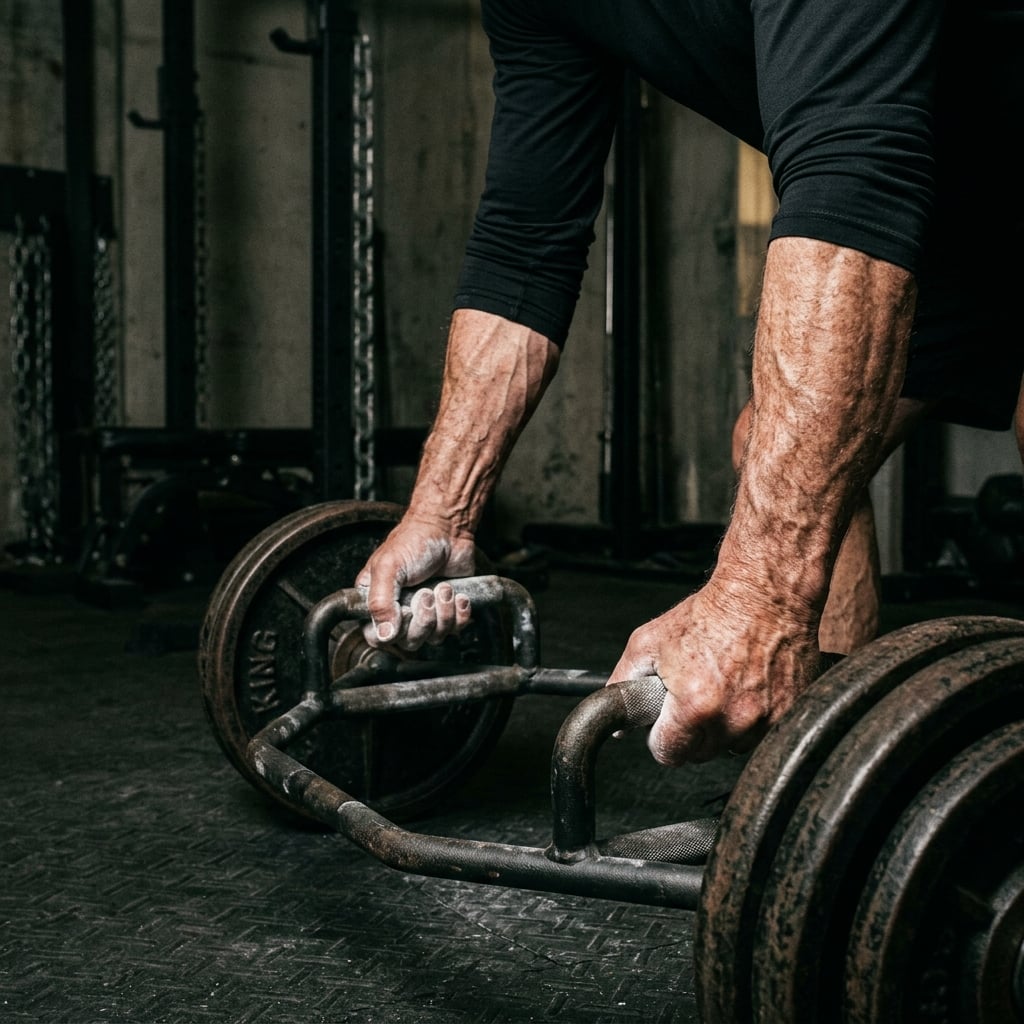
Weight-bearing resistance exercise — not swimming, not cycling — is what stimulates bone remodeling. The most effective movements for bone density are:
- Deadlift variations (trap bar, Romanian deadlift): Load the spine and hips, the two most common osteoporotic fracture sites
- Loaded carries (farmer's carries, suitcase carries): Build grip strength — itself a strong longevity marker — while loading bone axially
- Step-ups and split squats: Build single-leg bone density and balance simultaneously, directly reducing fall risk
- Overhead pressing: Loads the shoulders and upper spine, an under-trained area for bone health
Women navigating perimenopause and menopause should pay particular attention to this pillar — declining estrogen accelerates bone loss substantially, and resistance training is one of the few interventions proven to meaningfully offset it. Our strength training for women guide covers how to get started safely.
Pillar 4: Mobility and Injury Prevention
None of the above matters if you're sidelined by an injury. Adults over 40 need more deliberate mobility work than they did at 25 — not because they are fragile, but because decades of sitting, old injuries, and reduced tissue elasticity accumulate. I build 10-15 minutes of targeted mobility work into every longevity client's warm-up, focused on hips, thoracic spine, and shoulders — the three areas that most commonly limit safe, full-range strength training as we age. For a complete framework on staying injury-free while training hard, read our recovery and injury prevention guide.
Nutrition for Longevity: Protein Becomes Non-Negotiable
Muscle protein synthesis becomes less efficient with age — a phenomenon researchers call "anabolic resistance." This means adults over 40 typically need more protein per pound of bodyweight than they did in their 20s to build and maintain the same amount of muscle. I set longevity clients' protein targets at 0.8-1.0g per pound of bodyweight, prioritized across 3-4 meals rather than one large dinner, since spreading protein intake more evenly through the day appears to improve muscle protein synthesis in older adults. For the full nutritional framework, see our macro guide.
The Cognitive and Mental Health Case for Strength Training After 40
Longevity isn't just about how long your joints and heart hold up — it's also about how long your brain stays sharp. A growing body of research links resistance training to improved cognitive function, better mood regulation, and a reduced risk of age-related cognitive decline, independent of the cardiovascular benefits of exercise. Strength training appears to support brain health through several mechanisms: it improves insulin sensitivity (poor insulin regulation is increasingly linked to cognitive decline), increases blood flow to the brain, and stimulates the release of brain-derived neurotrophic factor (BDNF), a protein involved in learning and memory.
Beyond the physiology, there's a psychological dimension that matters just as much for long-term adherence: clients over 40 consistently report that strength training improves their confidence, sense of control, and resilience to daily stress in a way that steady-state cardio alone does not. Setting a new personal record on a deadlift at 50 sends a very different signal to your brain than simply "getting through" a treadmill session — and that signal compounds into better long-term consistency, which is ultimately what drives longevity outcomes more than any single workout.
How to Start Strength Training If You Haven't Lifted in Years
A large percentage of the longevity clients I work with in Charleston and Summerville haven't touched a barbell in a decade or more, and the idea of "starting over" in your 40s or 50s can feel intimidating. It shouldn't be. Here is the exact on-ramp I use:
- Weeks 1-2 — Movement pattern relearning: Bodyweight squats, hip hinges, push-ups (or an elevated variation), and rows using light bands or cables. The goal is not fatigue — it's rebuilding the neuromuscular patterns for safe, full-range movement.
- Weeks 3-6 — Loaded basics: Introduce light dumbbells or a barbell for the same core movement patterns, focusing on controlled tempo and full range of motion over heavy loading.
- Weeks 7-12 — Progressive overload begins: Once form is consistent and confident, weight increases gradually week to week, following the same principles that apply at any age — just with more conservative jumps and more attention to joint feedback.
The biggest predictor of long-term success at this stage isn't how much weight you start with — it's whether the first 8-12 weeks feel sustainable enough that you keep showing up. This is precisely where working with a coach pays for itself: someone who can adjust the pace in real time based on how your body is actually responding, rather than following a generic beginner program that assumes everyone recovers and adapts identically.
Sample Weekly Longevity Program (Ages 40-60)
| Day | Session | Focus |
|---|---|---|
| Monday | Strength A | Squat pattern, push, pull, core |
| Tuesday | Zone 2 Cardio | 35-40 min walk or bike, conversational pace |
| Wednesday | Strength B | Deadlift pattern, carry, unilateral leg work |
| Thursday | Mobility + Zone 2 | Hip/shoulder mobility, 30 min easy cardio |
| Friday | Strength C | Overhead press, row, step-ups, core |
| Saturday | VO2 Max Intervals | 4x4-minute hard efforts with equal rest |
| Sunday | Rest / light walk | Full recovery |
Common Mistakes People Over 40 Make in the Gym
- Abandoning strength training for cardio only: This accelerates sarcopenia and bone loss rather than preventing it — cardio alone cannot replace the mechanical loading muscle and bone require.
- Chasing the training style of their 20s: More recovery, more warm-up volume, and smarter exercise selection are not weaknesses — they're what keeps you training consistently for decades instead of getting hurt and starting over.
- Skipping power and explosive work: Power output declines faster than raw strength with age. Light, controlled explosive movements (medicine ball throws, box step-ups) preserve the fast-twitch capacity that prevents falls.
- Ignoring protein intake: Anabolic resistance means old protein habits no longer produce the same muscle-building response — intake needs to go up, not stay flat.
- Training without a plan: Randomly following whatever feels good on a given day rarely builds the progressive overload needed for real strength and bone density gains over years.
Tracking Progress: The Metrics That Actually Predict Longevity
Body weight and the mirror are poor tools for measuring longevity progress — they don't tell you anything about muscle mass, bone density, or functional capacity. Instead, I have longevity clients track a small set of metrics that actually correlate with healthspan outcomes: grip strength (measurable with a simple dynamometer and one of the most-studied longevity markers available), the number of unassisted sit-to-stands you can perform in 30 seconds, resting heart rate and heart rate recovery after exertion, and simply whether your working weights on core lifts are trending up, flat, or down over a 90-day window. None of these require expensive testing, and all of them tell you far more about whether your training is actually protecting your future than a bathroom scale ever will.
GET YOUR CUSTOM LONGEVITY TRAINING PROGRAM
Stop training like you're 25 or not training at all. Get a strength, cardio, and bone-density program built for your decade of life by a NASM-certified coach with 500+ South Carolina client transformations.
Apply for Coaching →Questions &
Answers
If your question isn't answered here, reach out directly — Kyle responds personally.
A combination of progressive strength training (3-4x/week), Zone 2 cardiovascular training, and weekly VO2 max intervals produces the strongest longevity outcomes. Strength training alone preserves muscle and bone; cardio alone does not — the combination is what the research supports.
Without resistance training, adults typically lose 3-8% of muscle mass per decade starting around age 30, with the rate accelerating after 60. This process, called sarcopenia, is largely preventable and even reversible through consistent strength training.
Both are necessary, but strength training is the more commonly under-prioritized of the two. Cardiovascular fitness (particularly VO2 max) is one of the strongest predictors of mortality risk, but strength training is what preserves the muscle, bone density, and functional capacity that determine your quality of life in later decades.
Most adults in their 40s and 50s see the best longevity results training 3-4 times per week using full-body or upper/lower splits, allowing 48 hours between sessions targeting the same muscle groups for adequate recovery.
VO2 max measures your body's maximum rate of oxygen consumption during exercise and is one of the strongest known predictors of all-cause mortality risk. It is trainable at any age through a combination of Zone 2 cardio and high-intensity interval training.
Weight-bearing resistance exercises — deadlift variations, loaded carries, step-ups, and overhead pressing — are the most effective way to stimulate bone remodeling and slow or reverse bone density loss, particularly important for women after menopause.
Due to a phenomenon called anabolic resistance, adults over 40 generally need more protein than younger adults to build the same amount of muscle — typically 0.8 to 1.0 grams per pound of bodyweight, spread across 3-4 meals per day.
Yes, to a significant degree. Progressive resistance training combined with adequate protein intake has been shown to rebuild lost muscle mass and strength even in older adults who have not trained in years, though earlier intervention produces better results.
Yes, and it is one of the most protective things you can do for long-term health. Starting with proper form, appropriate loading, and a structured progression under qualified guidance minimizes injury risk while building the strength foundation for decades ahead.
Zone 2 cardio is low-intensity exercise performed at a conversational pace, typically 60-70% of max heart rate. It builds mitochondrial density and aerobic base without the recovery cost of high-intensity cardio, making it ideal to pair with strength training.
Declining estrogen during and after menopause significantly accelerates bone density loss and can contribute to faster muscle loss. Weight-bearing resistance training is one of the most effective, well-supported interventions to offset both effects.
Yes. Belk Body Lab builds decade-specific longevity programs combining strength training, Zone 2 and VO2 max cardio, and bone-density work for clients across Charleston, Mount Pleasant, Summerville, and online throughout South Carolina.


