mastering nutrition: the truth about macros your trainer should tell you
Mastering Nutrition: The Complete Truth About Macros
Nutrition is not just about weight — it is about performance, health, energy, and how you look and feel every single day. As a personal trainer and nutrition coach in South Carolina, I have seen every diet trend, every macro calculator, and every "eat this not that" list. And here is what I have learned from coaching 500+ body transformations: macros provide the framework, but food quality provides the fuel.
If you hit your macros using only processed food, you might look okay temporarily, but you will feel terrible — low energy, poor recovery, brain fog, and compromised immune function. High-performance bodies require high-performance fuel. This guide breaks down exactly how to set and optimize your macronutrients for any fitness goal.
1. Protein: The Non-Negotiable Foundation
Protein is the single most important macronutrient for body composition — whether your goal is fat loss, muscle building, or body recomposition. Here is why protein should anchor every meal:
- Muscle Preservation: During fat loss, adequate protein prevents your body from breaking down muscle tissue for energy. Without sufficient protein, up to 25% of weight lost can come from lean mass.
- Thermic Effect: Your body burns 20-30% of protein calories just digesting them — compared to 5-10% for carbs and 0-3% for fats. This means 200 calories of chicken breast has a net caloric impact of only 140-160 calories.
- Satiety: Protein is the most satiating macronutrient. Higher protein diets consistently show reduced hunger and fewer cravings in research studies.
- Muscle Building: Protein provides the amino acid building blocks for new muscle tissue. Without adequate protein, your training is essentially wasted stimulus.
How Much Protein Do You Need?
- Fat Loss: 1.0-1.2g per pound of body weight (higher end to maximize muscle preservation)
- Muscle Building: 0.8-1.0g per pound of body weight
- Maintenance: 0.7-0.9g per pound of body weight
Top Protein Sources:
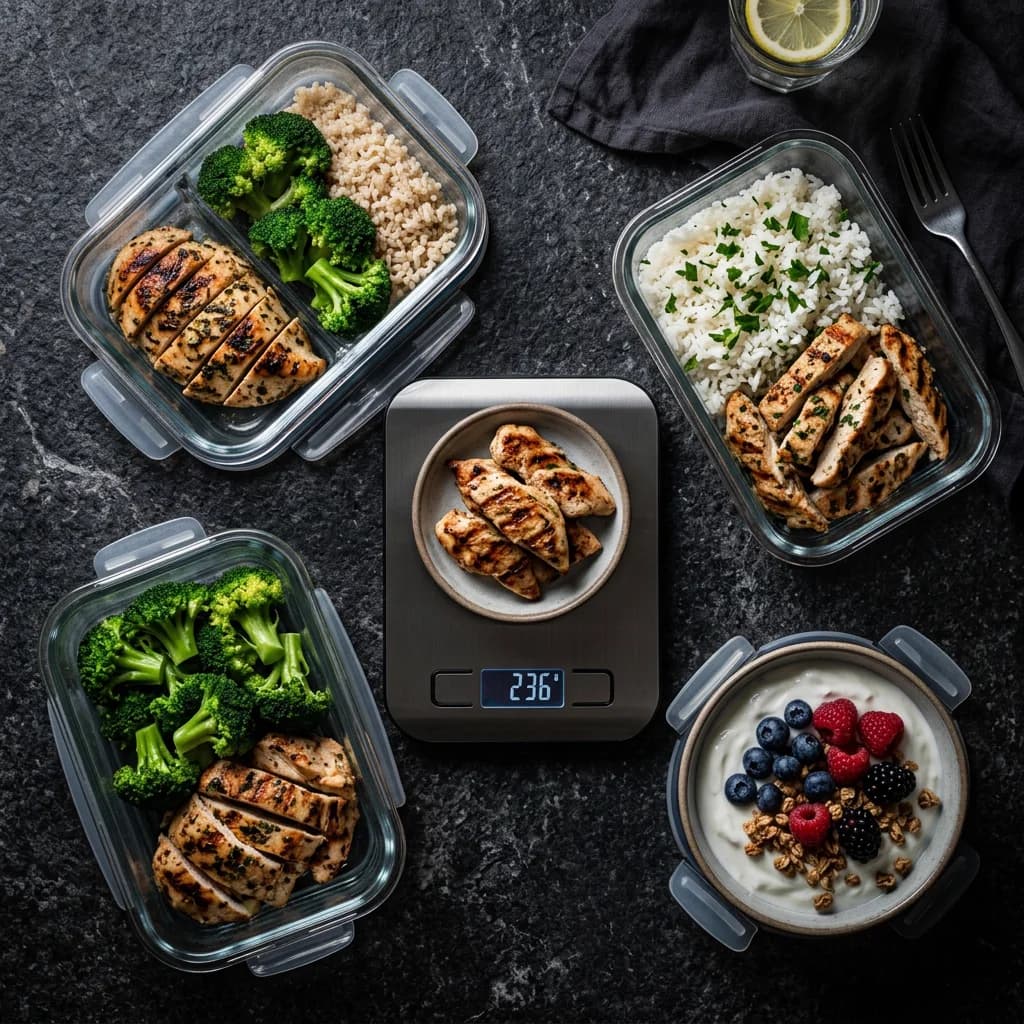
- Chicken breast — 31g protein per 6oz, extremely lean
- White fish (tilapia, cod) — 20g protein per 4oz, very low calorie
- Lean ground turkey (93/7) — 22g protein per 4oz
- Egg whites — 26g protein per cup, zero fat
- Greek yogurt (0% fat) — 17g protein per cup
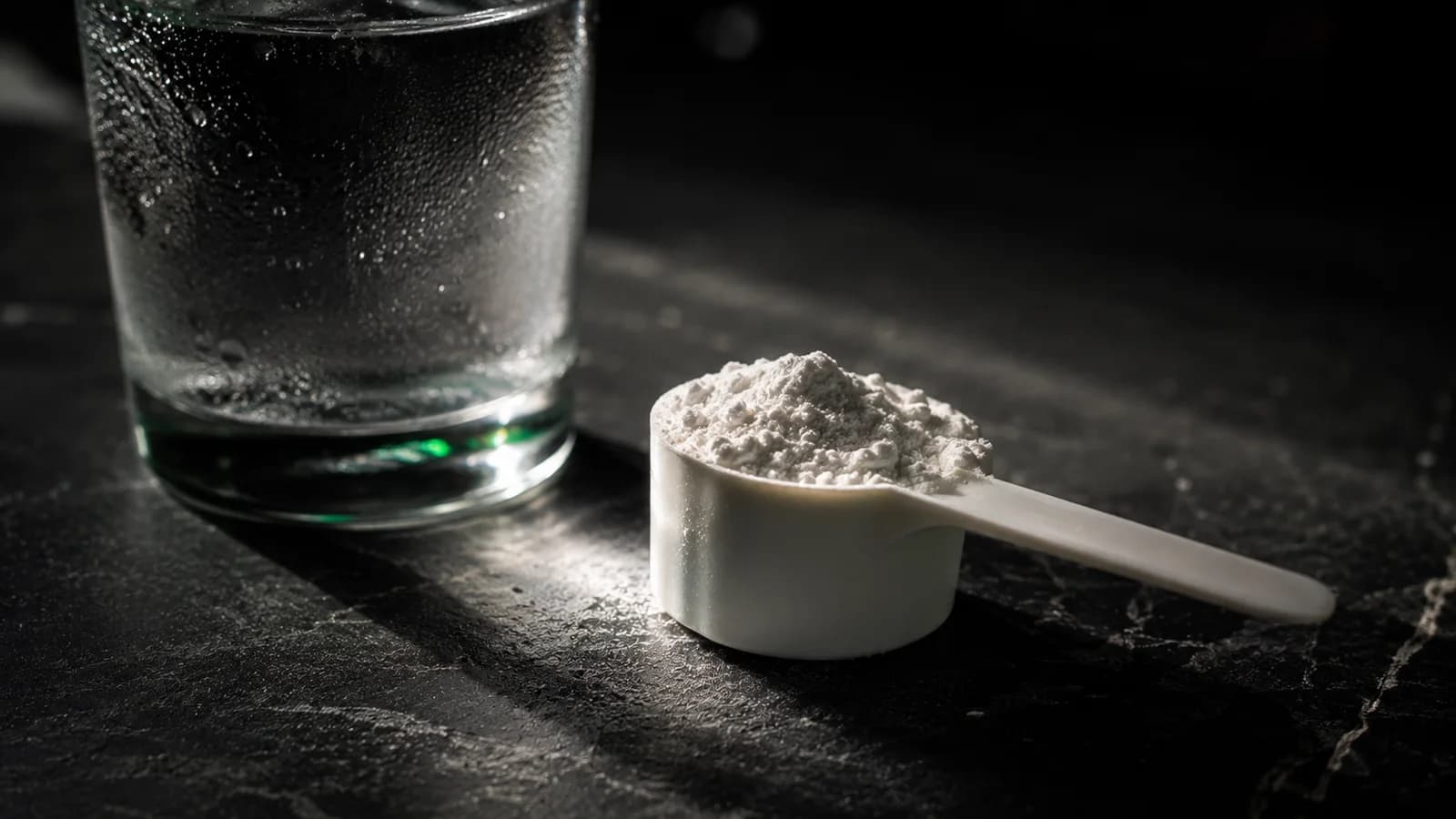
- Whey protein powder — 25g per scoop (convenience, not necessity)
2. Carbohydrates: The High-Octane Fuel
Stop fearing carbs. Carbohydrates are not the enemy — they are the primary fuel source for high-intensity training. Every time you squat, bench press, or perform any explosive movement, your muscles are burning glycogen (stored carbohydrate). If you do not eat enough carbs, your training performance suffers, your recovery slows, and your muscle building potential is severely compromised.
The key is Timing and Type:
- Throughout the day: Favor slow-digesting carbs — oats, rice, sweet potatoes, whole grain bread. These provide steady energy without insulin spikes.
- Pre-workout (1-2 hours before): A moderate carb meal with protein to fuel your session. Example: rice and chicken.
- Post-workout: Fast-digesting carbs to replenish glycogen — white rice, fruit, or a carb drink. This is the one time of day where simple carbs actually make sense.
- Before bed: Complex carbs can actually improve sleep quality by increasing serotonin production.
How Many Carbs?
- Fat Loss: 0.8-1.5g per pound of body weight (adjust based on activity level and training intensity)
- Muscle Building: 2.0-3.0g per pound of body weight
- Low-Activity Days: Reduce by 20-30% from training days
3. Fats: The Hormonal Regulator
Dietary fats are essential for hormone production — including testosterone, estrogen, and growth hormone. Dropping fats too low will tank your testosterone levels, crush your energy, dry out your skin and hair, and impair brain function. I see this mistake frequently with South Carolina clients who come to me after following extremely low-fat diets.
- Monounsaturated fats: Avocado, olive oil, almonds — heart-healthy and anti-inflammatory
- Omega-3 fatty acids: Salmon, sardines, fish oil — critical for reducing inflammation and supporting brain health
- Saturated fats: Eggs, beef, coconut oil — necessary in moderate amounts for testosterone production
- Avoid: Trans fats and excessive processed vegetable oils (soybean, canola in large amounts)
How Much Fat?
Never drop below 0.3g per pound of body weight. For most people, 0.3-0.5g per pound of body weight is the optimal range.
4. The Macro Setup Formula
Here is the exact formula I use with personal training clients in South Carolina to set their starting macros:
- Step 1: Calculate total daily calories (TDEE minus deficit, or TDEE plus surplus)
- Step 2: Set protein first — multiply body weight by 1.0g (fat loss) or 0.8g (muscle building)
- Step 3: Set fats — multiply body weight by 0.35g
- Step 4: Fill remaining calories with carbohydrates
- Step 5: Track for 2 weeks, then adjust based on actual results and feedback
5. Common Nutrition Myths Debunked
- "Eating after 8 PM makes you fat" — False. Total daily caloric intake determines fat gain, not meal timing. Late-night eating is only problematic if it pushes you over your calorie target.
- "You need 6 small meals a day" — False. Meal frequency does not significantly impact metabolism. Eat 2 meals or 6 meals — whatever fits your schedule.
- "Carbs make you fat" — False. Excess calories from ANY macronutrient cause fat gain. Carbs are essential for training performance.
- "You must eat clean to lose weight" — Partially true. You can lose weight eating anything as long as you are in a deficit, but food quality impacts energy, recovery, and long-term health.
Check out our coaching programs to get a nutrition blueprint tailored to your biology, goals, and food preferences.
GET YOUR CUSTOM NUTRITION PLAN
Stop guessing with your macros. Get a personalized nutrition blueprint from South Carolina's top personal trainer and nutrition coach.
Apply for Coaching →Questions &
Answers
If your question isn't answered here, reach out directly — Kyle responds personally.
Not necessarily, but tracking macros provides the most precise and predictable results. At minimum, tracking protein intake is essential for preserving muscle during fat loss. As a personal trainer in South Carolina, I teach clients both flexible tracking and intuitive eating approaches.
There is no single perfect ratio — it depends on your body weight, activity level, and training intensity. A good starting point is 40% protein, 30% carbs, 30% fat, then adjust based on your results and energy levels.
No supplements are necessary if your whole food diet is well-structured. The only supplements with strong evidence for most people are creatine monohydrate, vitamin D (especially in winter), and fish oil for omega-3s.
Track your body weight weekly (morning average), take progress photos every 2 weeks, and monitor training performance. If weight is moving in the right direction and strength is maintained, your macros are working.