

how to lose belly fat in south carolina: a nasm trainer's science-backed guide (2026)

How to Lose Belly Fat in South Carolina: A NASM Trainer's Science-Backed Guide (2026)
Short answer: You cannot target belly fat directly. You lose it by holding a consistent calorie deficit, eating enough protein, lifting weights to keep muscle, sleeping well, and managing stress — long enough for your body to release the fat it stores around your midsection last. There are no shortcuts, no spot-reduction tricks, and for most people no injections required.
I'm Kyle Belk, a NASM-certified personal trainer and body transformation coach based in Charleston, South Carolina. I've coached 500+ clients across the Lowcountry and online, and "how do I lose this belly fat?" is the single most common question I get. This guide is the honest, science-backed answer — the same approach I use with paying clients, minus the gimmicks you'll see advertised around Charleston.
Why belly fat is so stubborn (and why that's normal)
Belly fat feels uniquely frustrating because, for many people, the abdomen and lower back are where the body stores fat first and gives it up last. That's largely down to how fat cells and hormones are distributed — not a sign you're doing something wrong.
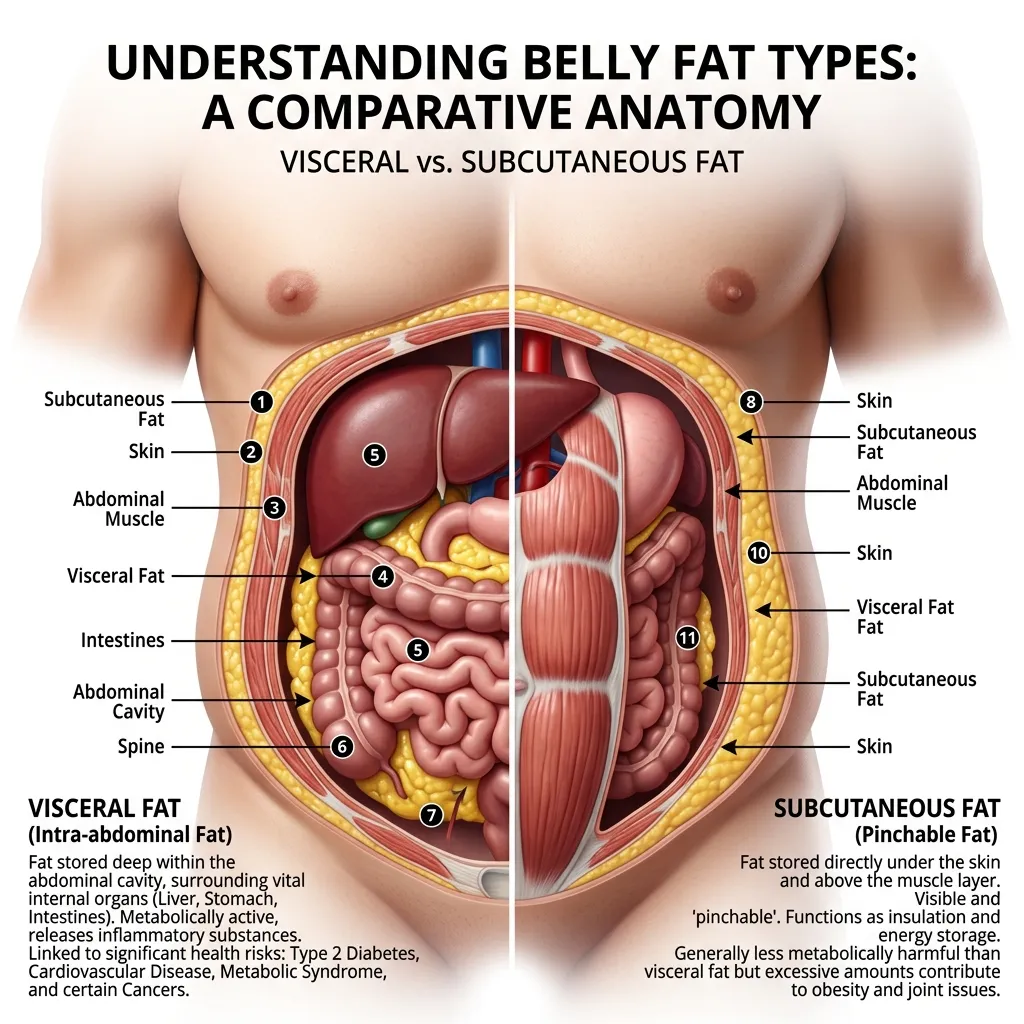
There are also two different kinds of belly fat, and they behave differently:
- Subcutaneous fat sits just under the skin. It's what you can pinch, and it tends to be the last to go.
- Visceral fat is stored deeper, wrapped around your organs. It's more strongly linked to health risk — but it's also more metabolically active and often responds faster to a calorie deficit, better sleep, and less refined sugar.
That second point matters: even before your reflection fully changes, your internal health can be improving. Progress is happening under the surface.
The one rule everything else serves: the calorie deficit
Here's the part the supplement ads won't tell you: belly fat only leaves when you're in an overall calorie deficit — burning slightly more than you eat, consistently, over time. Every legitimate strategy below is just a tool to create that deficit, protect your muscle while you're in it, or help you stick with it long enough to work.
A sustainable rate is roughly 0.5–1% of your body weight per week. Faster than that and you start sacrificing muscle, energy, and the very metabolism you're trying to keep high.
The 5 levers that actually move belly fat
1. Nutrition: prioritize protein, then control total calories
Protein is the highest-leverage change most people can make. It keeps you full, protects muscle while you're dieting, and has a higher thermic effect than carbs or fat. Aim for protein at every meal — lean meats, fish (easy to come by in the Lowcountry), eggs, Greek yogurt, legumes.
You don't need to eliminate carbs. Low-carb diets cause quick early water loss that looks dramatic, but lasting fat loss comes from the sustained deficit, not the carb cut. The best diet is the balanced one you can actually stick to — that's not a cliché, it's the whole game.

2. Strength training: the priority, not the afterthought
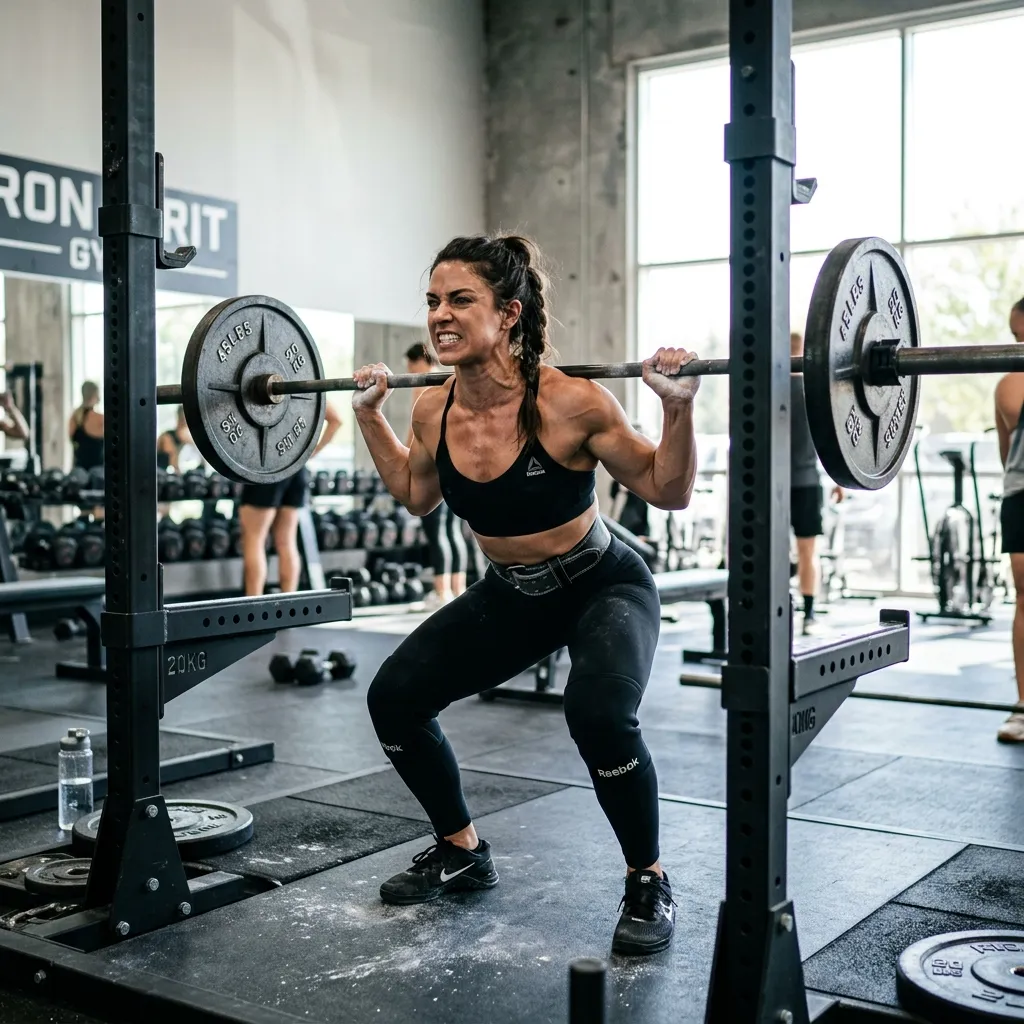
If you can only do one type of exercise, lift weights. Strength training preserves and builds muscle while you diet, which keeps your metabolism higher and gives you the lean, tight look people actually mean when they say "lose my belly." Two to four full-body sessions a week is plenty for most people.
And no — you do not need hundreds of crunches. Crunches build the muscle underneath the fat but burn almost nothing and don't remove the layer on top. A couple of focused core sessions a week is all you need.
3. Cardio and daily movement: the deficit multiplier
Cardio is a tool, not the engine. Use it to add to your deficit, not to "burn off" food. For most clients, daily steps (a brisk walk on the Ravenel Bridge, the Battery, or your neighborhood) do more for fat loss than punishing cardio sessions, because they're sustainable and don't spike hunger the way hard cardio can.
4. Sleep: the lever almost everyone ignores
Poor sleep raises hunger hormones, tanks willpower, and is independently linked to more abdominal fat storage. Most clients who fix their sleep notice easier appetite control and better workouts within a week or two. If you do nothing else this week, protect your sleep.
5. Stress: cortisol is real, but it's not an excuse
Chronic stress raises cortisol, which is associated with cravings and midsection fat storage. Managing it — through sleep, walking, and genuine recovery — is a real part of the plan. It doesn't override calories, but it makes staying in a deficit far easier.
A simple 2026 belly-fat action plan
- Set a protein target and hit it daily (a coach can dial in the exact number for your body).
- Lift weights 2–4x per week, full body, progressing over time.
- Walk daily — build toward a step goal you can actually sustain.
- Sleep 7–9 hours and protect a consistent schedule.
- Hold a modest calorie deficit and stay in it long enough — patience is the strategy.
- Track and adjust every week or two, because the body adapts.
If you're doing all of this and still not seeing the scale move, that's a different problem — that usually comes down to one of a handful of hidden variables — inconsistent tracking, underestimated portions, insufficient protein, or stress and sleep undermining the deficit.
What about the injections and "belly fat" clinics around Charleston?
Search "lose belly fat in Charleston" and you'll mostly find medical spas selling injections and procedures. Here's my honest take as a trainer: for the vast majority of people, the foundation is training, nutrition, sleep, and consistency — and those habits also keep the results, which a procedure alone won't. Medical interventions have a place for some people, and you should always consult a physician about them. But they're not a substitute for the fundamentals, and they're not the starting point I'd recommend for most.
Want it built for your body? Let's talk.
Knowing the principles is one thing; staying in a deficit long enough — with a plan built around your schedule, kitchen, and gym access — is where a coach earns their keep. At Belk Body Lab I build custom training and nutrition plans for clients across Charleston, Mount Pleasant, Summerville, West Ashley, North Charleston, and all of South Carolina, in person and online. You can see real SC client transformations here or explore coaching options.
Apply for coaching → and I'll send back a starting blueprint built for your body.
Questions &
Answers
If your question isn't answered here, reach out directly — Kyle responds personally.
No. Spot reduction is a myth — you cannot burn fat from one body part by training it. Belly fat disappears when you create an overall calorie deficit; the abdomen is simply where many people store fat last and lose it last. Core training builds the muscle underneath, but the fat on top only goes with whole-body fat loss.
Most people lose visible belly fat over 8 to 16 weeks at a sustainable rate of about 0.5 to 1% of body weight per week. Visceral (deep) belly fat often responds faster than the subcutaneous fat you can pinch, so internal health markers can improve within weeks even before the mirror fully catches up.
Subcutaneous fat sits just under the skin and is what you pinch. Visceral fat is stored deeper, around your organs, and is more strongly linked to health risks. The good news is visceral fat is often the more metabolically active and responds quickly to a calorie deficit, better sleep, and reduced refined-sugar intake.
No. Crunches strengthen the abdominal muscles but burn very few calories and do not remove the fat covering them. Visible abs come from lowering overall body fat through nutrition and full-body training. A few focused core sessions per week are plenty.
Both help, but strength training is the priority. Lifting preserves and builds muscle while you diet, which keeps your metabolism higher and produces the lean, tight look people actually want. Cardio is a useful tool for adding to your calorie deficit, not the main driver.
Not by itself. Low-carb diets often cause quick early weight loss because of water, but lasting belly fat loss comes from a sustained calorie deficit and adequate protein, regardless of how you split carbs and fats. The best diet is the balanced one you can actually stick to.
For many people the abdomen and lower back are where the body stores fat first and releases it last, partly due to hormone and fat-cell distribution. It is not a sign you are doing anything wrong — it usually just means you need to stay in a consistent deficit a little longer.
Chronic stress raises cortisol, which is associated with increased appetite, cravings, and a tendency to store fat around the midsection. Managing stress through sleep, walking, and recovery is a genuine part of an effective belly fat plan, not a side note.
Very important. Poor sleep increases hunger hormones, reduces willpower, and is linked with greater abdominal fat storage. Most clients who fix their sleep see noticeably easier appetite control and better training performance within a week or two.
No. No legal over-the-counter fat burner produces meaningful belly fat loss on its own. Protein powder and creatine can support training and recovery, but the results come from your overall calorie intake, protein, training, and consistency — not pills.
Yes. Plenty of South Carolina clients lose belly fat training at home with minimal equipment or bodyweight, because nutrition and consistency matter more than the setting. A good coach simply builds the program around the equipment and time you actually have.
The core principles — calorie deficit, adequate protein, strength training, sleep, stress management — are the same. Women may carry and lose fat in a different pattern and should be especially mindful of fueling enough to support training and hormones, which is something a coach individualizes.
Metabolism slows modestly with age and muscle is easier to lose, which can make midsection fat creep up. The fix is the same toolkit applied more consistently: prioritize protein and strength training to protect muscle, and stay patient with the deficit.
Most people do not. Many Charleston clinics market injections and procedures for belly fat, but the foundation for the vast majority of people is training, nutrition, sleep, and consistency. Those habits also keep the results, which procedures alone do not. Always consult a physician for any medical intervention.
A NASM-certified trainer like Kyle Belk builds a calorie and protein target for your body, designs a training plan you can sustain, and holds you accountable each week so you stay in the deficit long enough to see results. Belk Body Lab serves Charleston, Mount Pleasant, Summerville, and all of South Carolina in person and online.

