

how to lose fat without starving: the science-based guide
How to Lose Fat Without Starving: The Complete Science-Based Guide
Most diet plans fail because they treat the human body like a simple calculator. While thermodynamics (calories in vs. calories out) is the undeniable foundation of fat loss, satiety is the biological gatekeeper of consistency. As a personal trainer in South Carolina who has guided 500+ clients through successful fat loss transformations, I can tell you that hunger is the #1 reason people quit their diets — not lack of willpower.
This guide breaks down the exact science-backed strategies I use with my coaching clients across Charleston, Mount Pleasant, Summerville, and online throughout South Carolina to help them lose 15-40+ lbs of body fat while eating satisfying meals, maintaining energy for their training, and preserving the lean muscle that gives their body shape and definition.
1. The Myth of "Starve to Shred"
Starving yourself isn't a strategy; it's a countdown to failure. When you drop calories too low, too fast, your body initiates a cascading hormonal defense mechanism that has been refined over millions of years of evolution. Here's what actually happens physiologically:
- Leptin drops significantly: Leptin is the hormone that signals fullness to your brain. When it drops, you feel insatiably hungry — no amount of willpower can override this signal long-term.
- Ghrelin spikes: Ghrelin is the "hunger hormone." It increases dramatically during aggressive caloric restriction, making every meal feel insufficient.
- Metabolic rate slows: Your body reduces Non-Exercise Activity Thermogenesis (NEAT) — the calories you burn through fidgeting, walking, and daily movement. This alone can reduce your daily expenditure by 200-500 calories.
- Cortisol increases: Extreme dieting raises cortisol (stress hormone), which promotes water retention, muscle breakdown, and abdominal fat storage — the exact opposite of what you want.
- Thyroid function decreases: T3 and T4 hormones drop, further slowing your metabolism and making continued fat loss progressively harder.
This is how "yo-yo dieting" is born. You lose 15 lbs aggressively, then your body fights back with overwhelming hunger signals, and you regain 20 lbs. I see this pattern constantly with new clients here in South Carolina who come to me after failed attempts with crash diets and generic online programs.
"Fat loss is an engineering problem. You don't solve it with willpower alone; you solve it with strategic inputs." — Kyle Belk, NASM-CPT
2. The Caloric Deficit Sweet Spot
Research consistently shows that a moderate caloric deficit of 300-500 calories below maintenance produces the best long-term fat loss results. This rate allows you to lose approximately 0.5-1.0 lbs of body fat per week while preserving muscle mass and maintaining hormonal health.
For most of my South Carolina clients, I calculate their Total Daily Energy Expenditure (TDEE) using a combination of body weight, activity level, and metabolic data, then set their intake at 80-85% of that number. This creates consistent fat loss without the hormonal crash that comes from more aggressive approaches.
How to Calculate Your Starting Calories:
- Step 1: Multiply your body weight (in lbs) by 14-16 to estimate maintenance calories
- Step 2: Subtract 300-500 calories for your deficit
- Step 3: Track for 2 weeks, then adjust based on actual results
3. Volume Eating: The Secret to Satiety
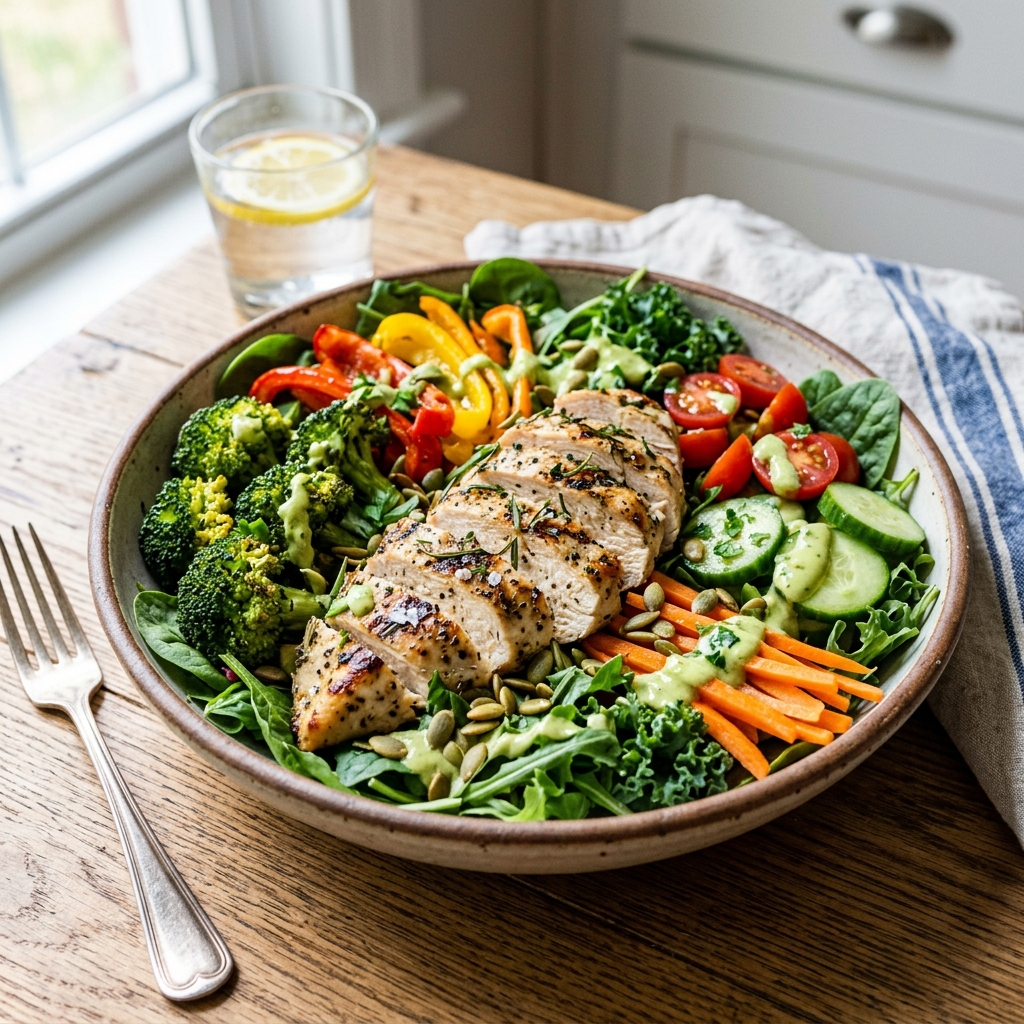
To lose fat without starving, you must master Caloric Density. By choosing foods that are high in volume but low in calories — like leafy greens, cruciferous vegetables, and lean proteins — you can physically fill your stomach and trigger stretch receptors that signal fullness to your brain. This isn't a trick; it's basic physiology that most personal trainers in South Carolina overlook.
Key Foods for Fat Loss Satiety:
- Lean Protein: Chicken breast (31g protein/165 cal per 6oz), white fish (20g protein/90 cal per 4oz), egg whites (26g protein/120 cal per cup). Protein has the highest thermic effect of food (TEF), meaning your body burns 20-30% of protein calories just digesting them.
- Fibrous Carbs: Broccoli, cauliflower, spinach, asparagus, zucchini, bell peppers. These provide massive volume with minimal calories — a full pound of broccoli is only 150 calories.
- Complex Carbs: Oats, sweet potatoes, rice, and berries for controlled insulin response and sustained energy during training.
- Strategic Fats: Avocado, olive oil, and nuts — but measured carefully, as fats are the most calorie-dense macro at 9 calories per gram.
4. The Macro Blueprint
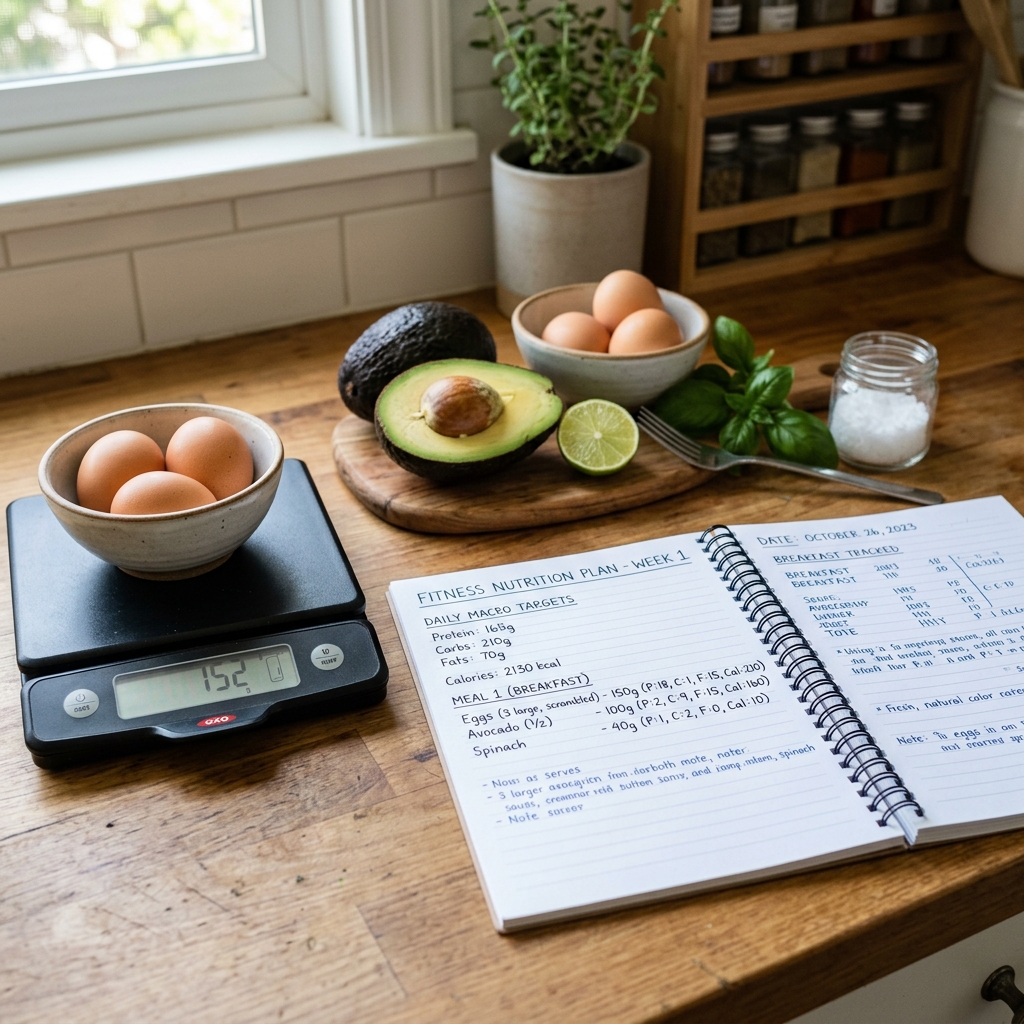
An online fitness coach shouldn't just give you a calorie goal — you need a complete macro blueprint. For fat loss, protein should be your non-negotiable anchor. Here's the framework I use with every South Carolina coaching client:
- Protein: 0.8g to 1.2g per pound of body weight — this preserves lean muscle mass while in a deficit and keeps you feeling full
- Fats: 0.3-0.4g per pound of body weight — enough to maintain hormonal health without wasting calories
- Carbs: Fill remaining calories — carbs fuel your training and recovery
5. Strategic Resistance Training

Stop doing hours of cardio. Muscle is metabolically expensive tissue; the more you have, the more calories you burn at rest. We focus on heavy compound movements to signal your body to keep its muscle while burning fat stores.
GET YOUR CUSTOM FAT LOSS PROTOCOL
Stop following generic internet advice. Get a fat loss protocol built specifically for your metabolism, lifestyle, and goals by South Carolina's top-rated personal trainer.
Apply for Coaching →Questions &
Answers
If your question isn't answered here, reach out directly — Kyle responds personally.
No, cardio is not strictly necessary for fat loss — a caloric deficit is the primary driver. However, strategic cardio can help increase your caloric expenditure.
Aim for 0.8 to 1.2 grams of protein per pound of bodyweight to preserve muscle and control hunger.
Yes, this is known as body recomposition and is very effective for beginners with high protein intake.

